The State of the Derwent Report launch shows great progress in parts of the estuary
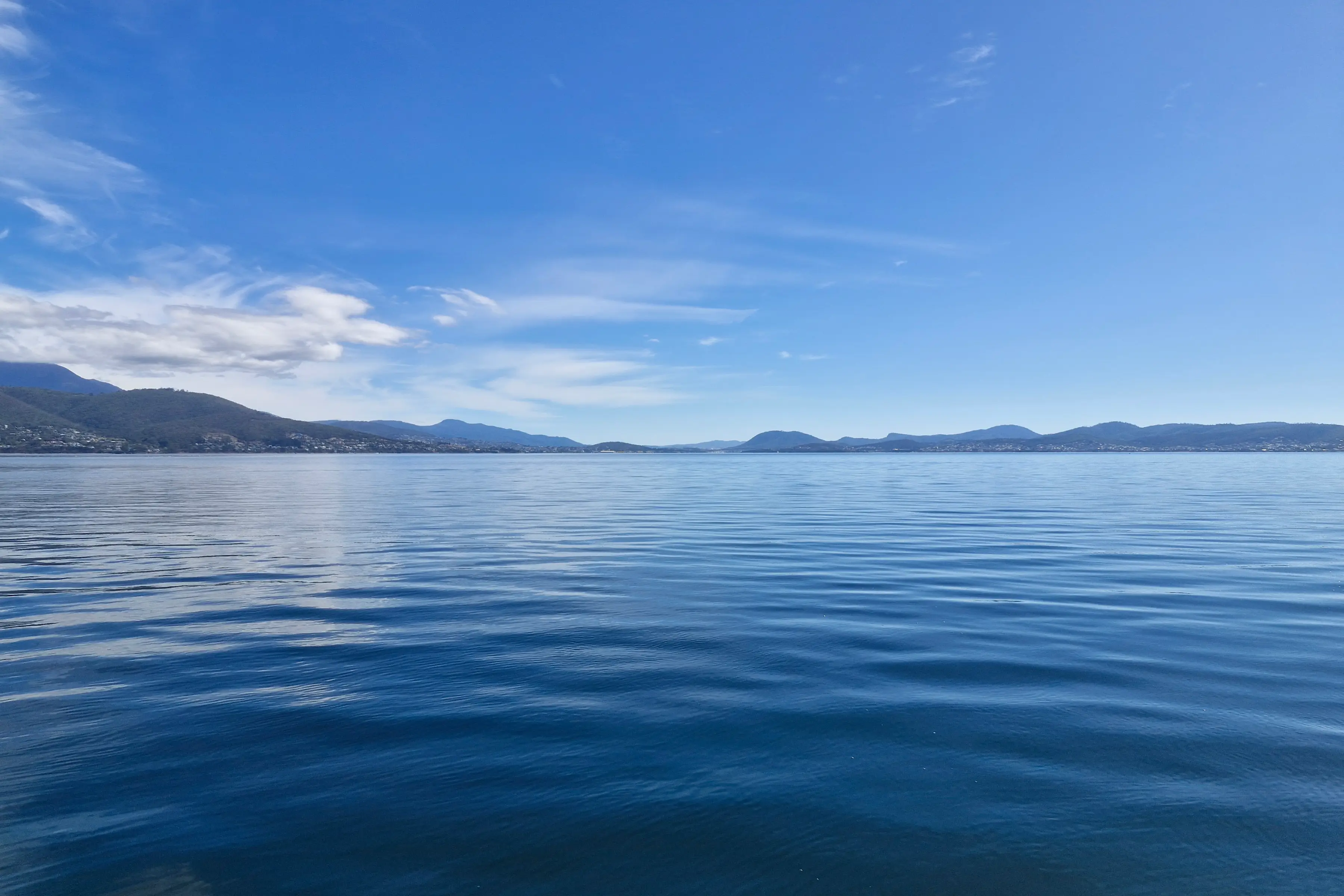
A snapshot from the Derwent Estuary, connecting land, water and community.
Image: Derwent Estuary Program
We launched the 2025 State of the Derwent Report in March at our Clean Up Australia event, and we are very pleased to share that it shows measurable improvements in parts of the estuary, while confirming that ongoing management and long-term monitoring remain essential to the future.
This report updates the 2020 State of the Derwent and provides a comprehensive update on water quality, habitats and wildlife across Timtumili Minanya/the River Derwent and estuary. It shows water clarity improved in the lower and middle estuary, and zinc concentrations have declined at multiple monitoring sites.
Ecological surveys have also recorded signs of environmental recovery, including an expansion of canopy-forming kelp on rocky reefs and continued strong numbers of species such as the Australian Pied Oystercatcher.
The report also notes changes in some fish species, including declines in species such as bastard trumpeter compared to previous surveys, with fishing pressure identified as one possible contributing factor.
Our CEO Ursula Taylor said the findings demonstrate that coordinated pollution management and long-term investment are delivering results, but also highlight ongoing challenges.
“We are seeing clear evidence that the system can respond positively to sustained management,” she said. “Legacy metal contamination continues to influence seafood safety in parts of the estuary, and nutrients remain a challenge, particularly in the upper estuary where low dissolved oxygen persists during warmer months.”
Derwent Estuary Program Chair and UTAS Professor Catriona Macleod said the partnership model behind the program was one of its greatest strengths.
“The DEP does far more than collect data. It brings government, industry, scientists and the community together to take a solutions-focused approach to managing the estuary, and that collaboration is what ultimately delivers real environmental improvements,” she said.
Read the full State of the Derwent Report.
Monday 20 April 2026